A practical tool for cleaner streams, healthier soils and stronger pasture systems
“Look what I found in the Upper Catchment.”
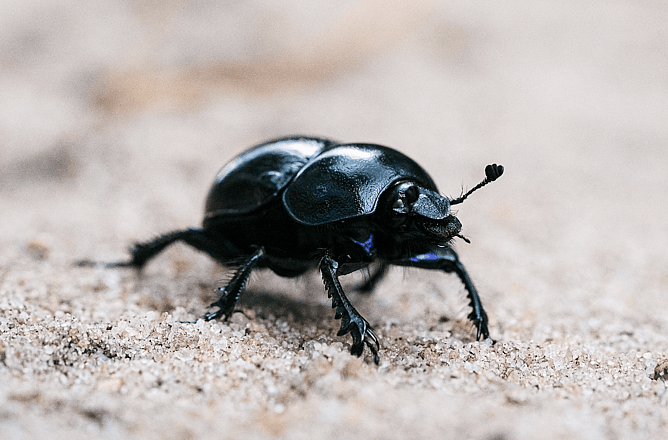
That simple message sparked a bigger conversation about what dung beetles could mean for Pongakawa.
At first glance, they might seem like a small detail in a much bigger catchment story. But dung beetles represent something powerful, a practical, nature-based solution that supports water quality, pasture performance and parasite management all at once.
Pongakawa is uniquely positioned for this kind of initiative. With its mix of dairy, drystock and horticulture-support land, and a strong history of catchment collaboration, it has all the ingredients needed for a coordinated, catchment-wide approach.
Why Dung Beetles Matter
Dung beetles work quietly but effectively beneath our feet. Their role in pasture systems is simple but significant.
They:
Break down dung rapidly
Reduce nutrient runoff into waterways
Lower parasite survival rates
Improve soil structure and aeration
Enhance pasture utilisation
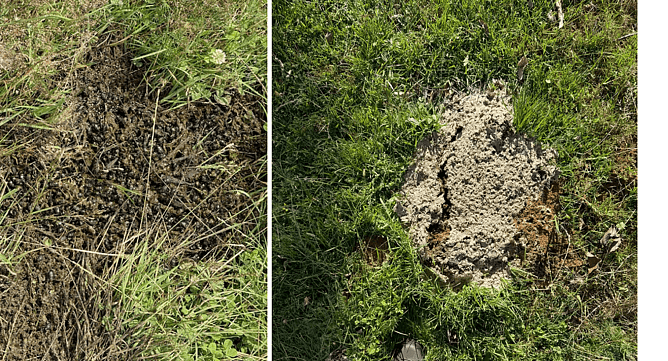
When dung remains on the surface, nutrients are more likely to be lost in runoff, and parasite larvae can thrive. By burying and incorporating dung into the soil profile, beetles help cycle nutrients where they are needed, underground.
In a catchment like Pongakawa, where water quality is front of mind, this creates a direct link between on-farm practice and stream health.
A Catchment-Scale Approach
Rather than isolated farm releases, the vision for Pongakawa is coordinated establishment across upper, mid and lower catchment areas.
The proposed engagement approach follows three clear phases.
Phase 1: Spark Interest and Build Momentum
The first step is building awareness and identifying early adopters.
This includes:
Sharing clear information about the benefits of dung beetles
Identifying 3 to 5 “beetle hub” farms across land uses
Hosting a field day to show current dung persistence and explain the long-term roadmap
Providing simple, practical guidance, including drench compatibility information
The key message is practical and grounded:
You don’t have to love beetles. You just have to not kill them at the wrong time.
Phase 2: Establish Release Farms and Support Practice Change
Over the next two years, the aim is to establish 8 to 12 release farms across the catchment.
This involves:
On-farm planning around release sites
Aligning drench timing with beetle activity
Light-touch farmer agreements
Ongoing monitoring and shared learning
A major focus during this stage is integrated parasite management.
Dung beetles are not a replacement for good animal health practices. Instead, they form part of a wider strategy that reduces reliance on whole-herd macrocyclic lactone drenches, particularly during peak beetle activity.
Simple rules of thumb include:
Avoid whole-herd macrocyclic lactone drenches within three months of a release
Treat fewer animals where possible
Keep treated stock off beetle-priority paddocks for at least seven days
Record drench timing to inform future decisions
These small shifts can make a significant difference during the critical establishment window of the first two to three years.
Phase 3: Scale and Normalise
From year three onwards, the goal is natural spread and normalisation.
By this stage, early adopter farms are sharing:
Before and after observations
Changes in visible dung breakdown
Perceived shifts in parasite pressure
Improvements in pasture utilisation
Beetles begin colonising neighbouring farms without direct releases, and practices such as beetle-safe drench timing become embedded in farm environment plans.
An annual “Pongakawa Dung Breakdown Check” could become a simple, engaging catchment activity, a practical way to track progress together.
Measuring Progress
A simple monitoring dashboard is being developed to track:
Number of farms with confirmed beetle presence
Dung breakdown rates during summer
Adoption of beetle-safe drench timing
Spread across grazed land
Farmer-reported co-benefits
This keeps the initiative transparent, measurable and evidence-based.
By year five, the goal is for beetles to be present across 70 to 80 percent of grazed land in the catchment, recognised as part of Pongakawa’s wider water quality and soil health strategy.
A Nature-Based Solution That Makes Sense
Dung beetles are not flashy. They do not require expensive infrastructure or complex systems. They simply restore a natural ecological process that improves soil, pasture and water outcomes.
In a time where farmers are navigating regulation, climate pressures and economic uncertainty, practical, low-cost, farmer-led tools matter.
Pongakawa already has the collaborative foundation needed to make this work.
Dung beetles could become another chapter in the catchment’s story, one where small biological allies contribute to cleaner streams, stronger soils and more resilient farm systems.
If you are interested in becoming a release farm or want to learn more about the programme, get in touch with the Wai Kōkopu team.
Together, we can build something that works at scale, and works with nature.
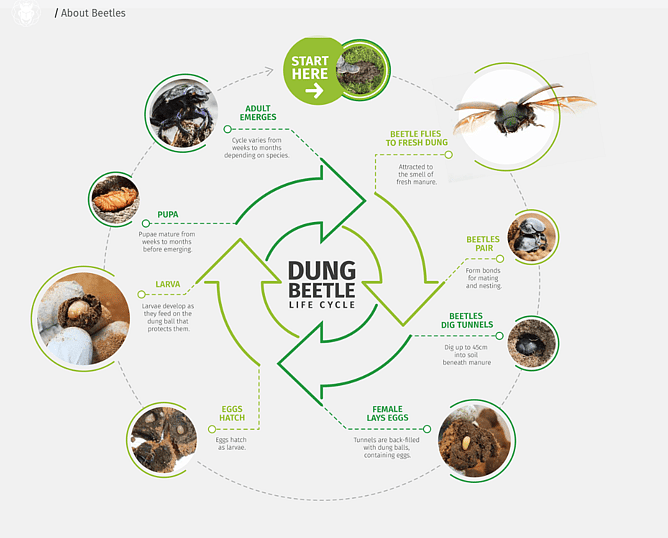
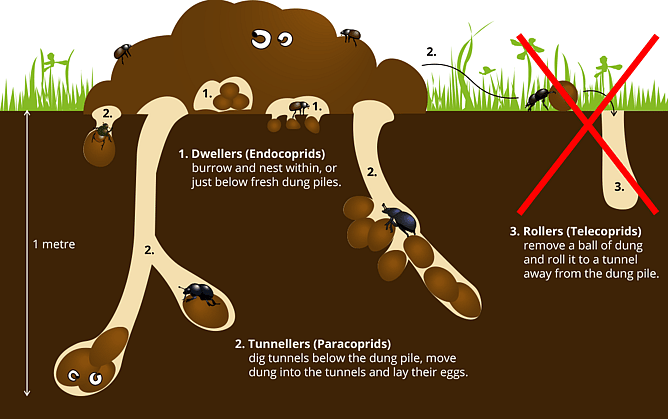
Diagram from: http://dungbeetlesforfarmers.co.uk/dung-beetle-lifecycle