Year Two Results from Bay of Plenty Trial Sites
We are excited to share the second-year results from our comparative study assessing the Tīmata Method alongside traditional native planting approaches.
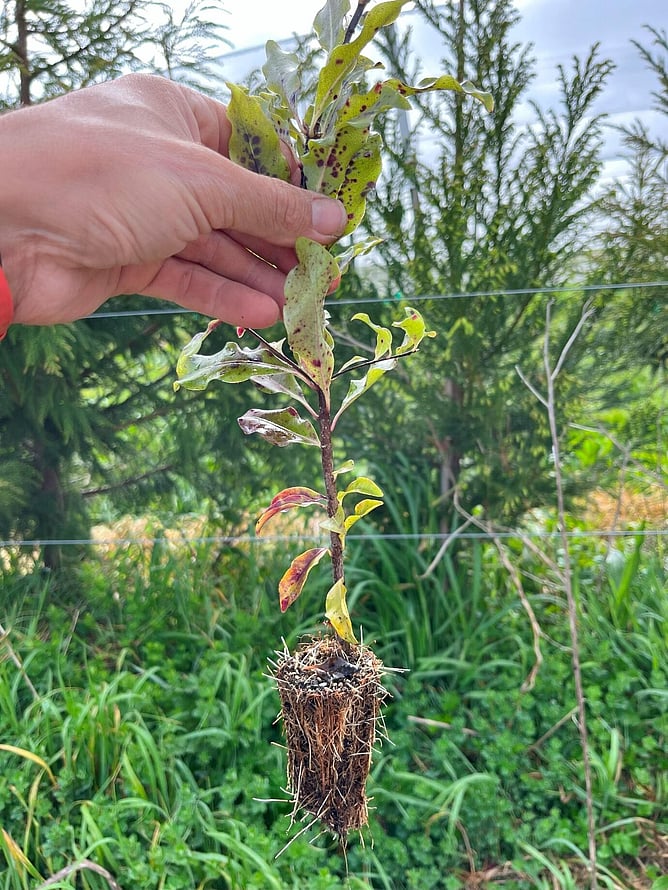
The Tīmata Method is designed to imitate natural reversion, using a higher proportion of mānuka and kānuka forestry-grade plants at wider spacings. This approach significantly reduces planting costs while supporting long-term ecosystem health.
What are we seeing so far?
Across three Bay of Plenty sites:
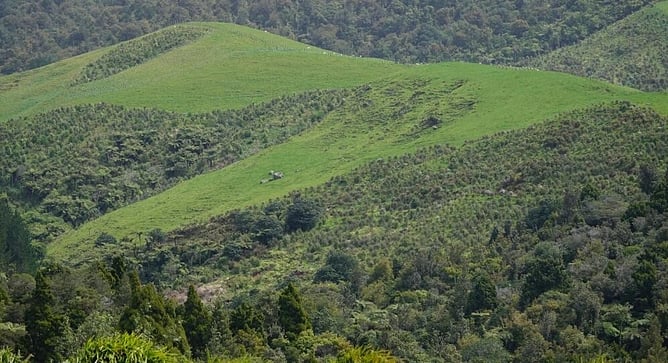
• Tīmata is matching or exceeding traditional growth rates
• Canopy closure is tracking closely between methods
• Stem diameters are comparable across most sites
• Establishment costs are substantially lower under Tīmata
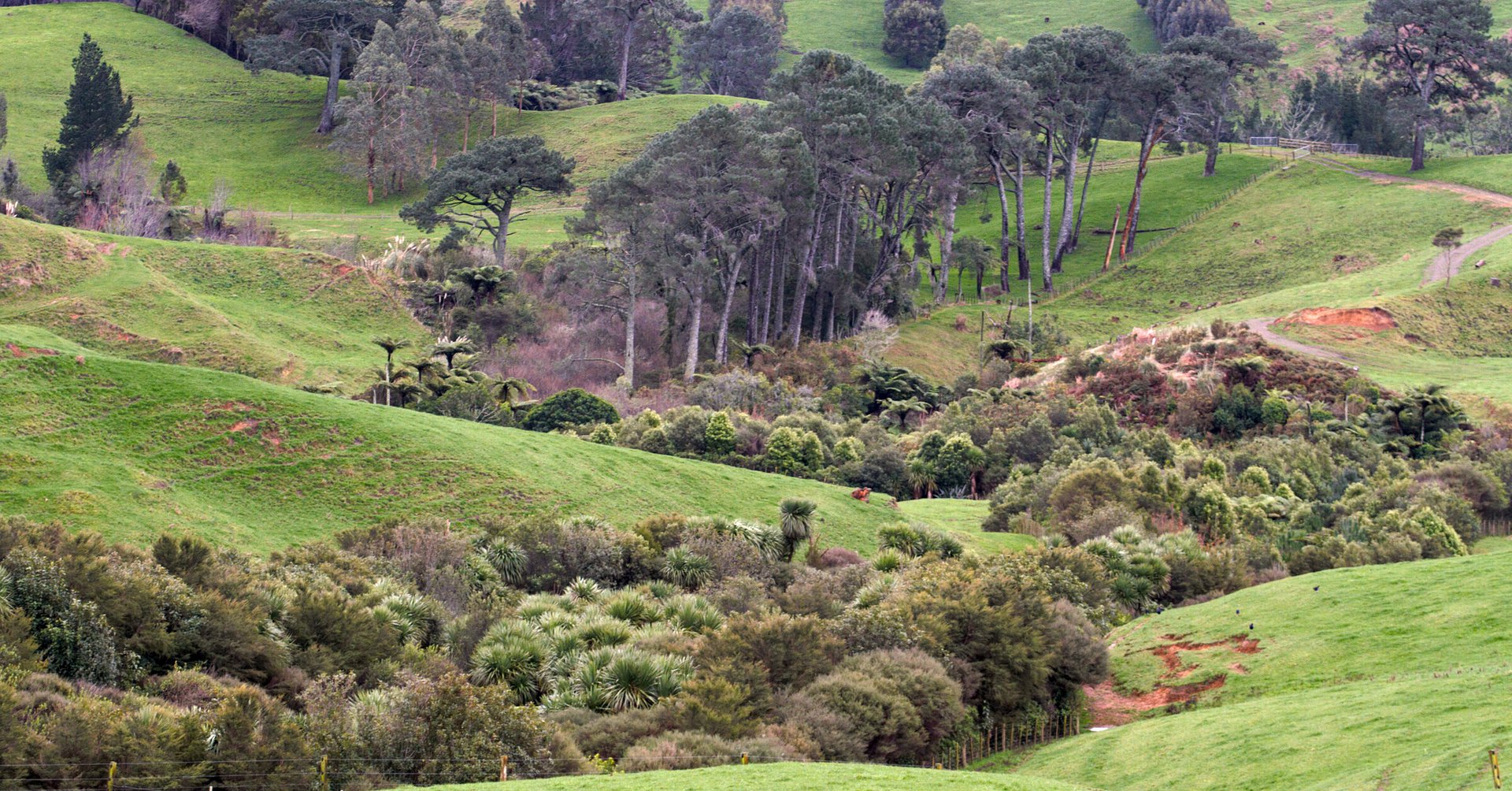
At Te Mania, where both methods were planted in the same year, the results are particularly compelling. Despite red deer browsing pressure in the Tīmata plot, growth performance remains competitive.
At Maniatutu Road, Tīmata plantings are outperforming traditional plantings, even under challenging kikuyu pressure.
Initial findings suggest Tīmata is at least matching traditional methods, while delivering significant cost savings and maintaining ecosystem health benefits.
Read the full 2025 comparison report here: